
Explore
The World’s Oldest Temples

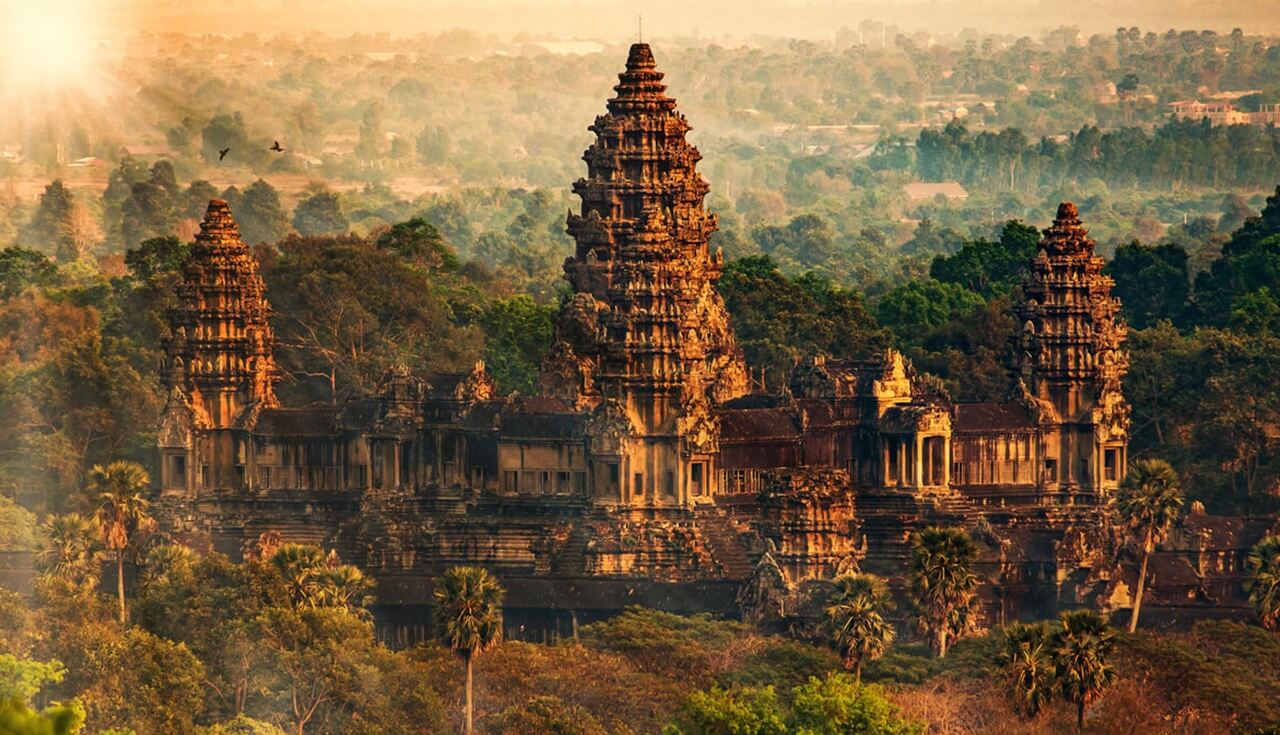
From Göbeklitepe to Angkor Wat, the world’s oldest temples that shed light on human history. A complete guide to their secrets, stories and reasons to visit.
Imagine this: pulling aside the misty curtain of history and being able to touch the first stones our hunter gatherer ancestors erected for their gods... This is the rare privilege ancient temples offer us. They are not just piles of stone, they are the first tangible expressions of humanity’s faith, fear, hope, and architectural genius. Despite wars, disasters, and millennia, these venerable structures have managed to remain standing and they seem to give a soul to the lands where they rise. Each one calls you to hear the secrets of forgotten civilizations. Come, let us take a look together at these 15 witnesses of time scattered across the world that must be seen and shape your next travel plan.
Journey to the Silent Witnesses of Time
The world’s oldest temples are like doors opening onto humanity’s collective memory...
Table of Contents
- Göbeklitepe “The Zero Point of History” New
- Luxor Temple “The Splendor of the Pharaohs by the Nile”
- Stonehenge “The Mysterious Ring of Salisbury Plain”
- Temple of Hatshepsut “The Immortal Legacy of the Woman Pharaoh”
- Hypogeum “Malta’s Silent Underground Sanctuary”
- Temple of Seti I “The Sacred Treasure of Abydos”
- Hagar Qim and Mnajdra “Stone Age Temples Facing the Sea of Malta”
- Knossos Palace “The Mysterious Labyrinth of the Minoan Civilization”
- Ggantija Temples “The Legendary Structure Built by Giants”
- Amada Temple “The Oldest Egyptian Temple of Nubia”
- Giza Pyramids and the Sphinx “Immortal Icons of the Pharaohs”
- Parthenon “The Symbol of Athens’ Golden Age”
- Angkor Wat “The Imperial Temple Hidden in the Forests”
- Pantheon “The Triumph of Roman Engineering”
- Tikal National Park “The Maya Metropolis in the Heart of the Jungle”
1. Göbeklitepe “The Zero Point of History”
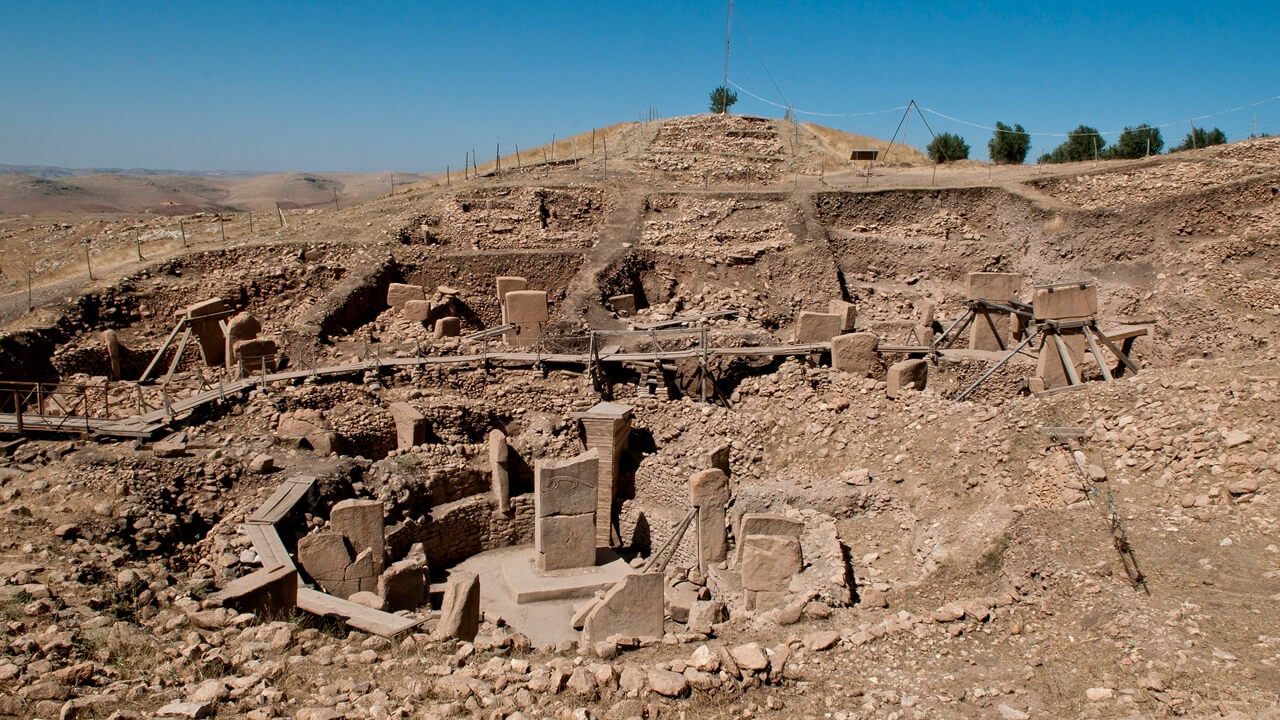
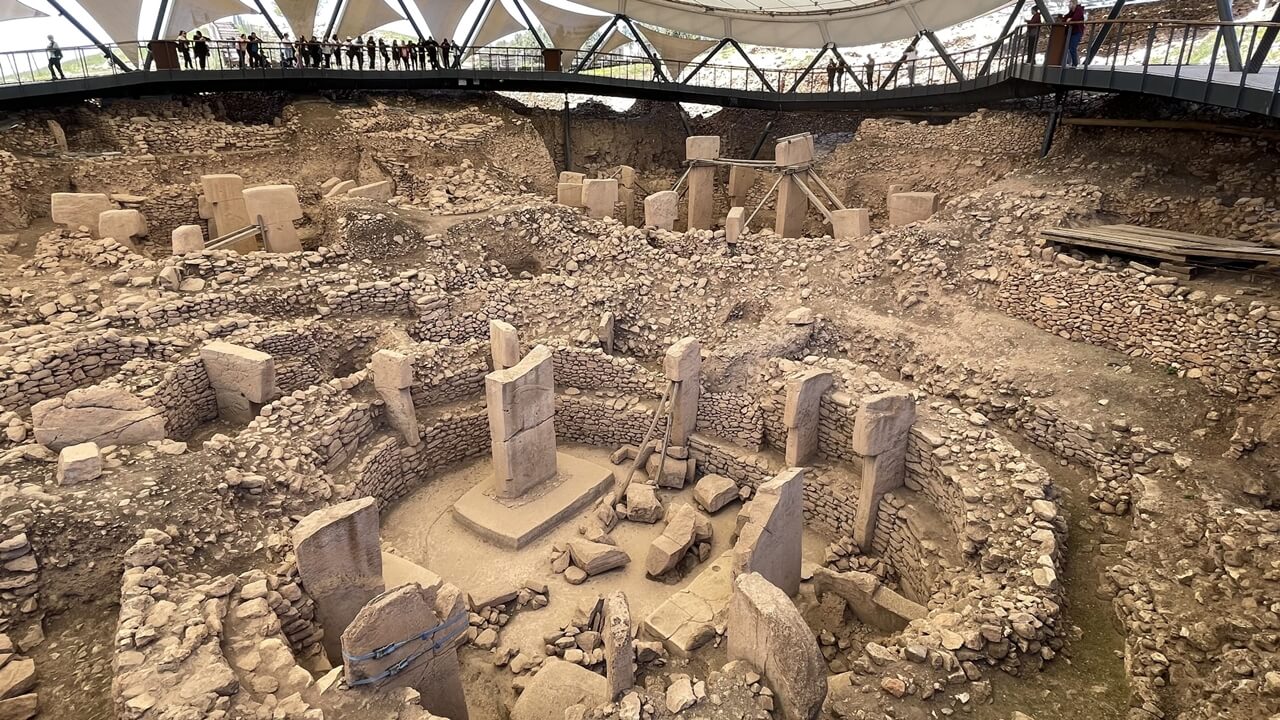
Rising from the barren lands of Şanlıurfa, Göbeklitepe is not only Turkey’s but the whole world’s most striking archaeological discovery. The reason it is called the “zero point of history” is that it belongs to a date like 9600 BC that changes human history from top to bottom. In a period when pottery, settled life, and even agriculture did not yet exist, the fact that hunter gatherer communities built these massive T shaped pillars makes us question everything we know. The carvings of foxes, snakes, vultures, and other animals on them offer unique clues to the symbolic world of that era. Visiting Göbeklitepe is not just seeing a ruin, it means embarking on an ancient journey into the meaning of being human. In each stone you can feel the echoes of our ancestors’ first questions about the universe.
2. Luxor Temple “The Splendor of the Pharaohs by the Nile”
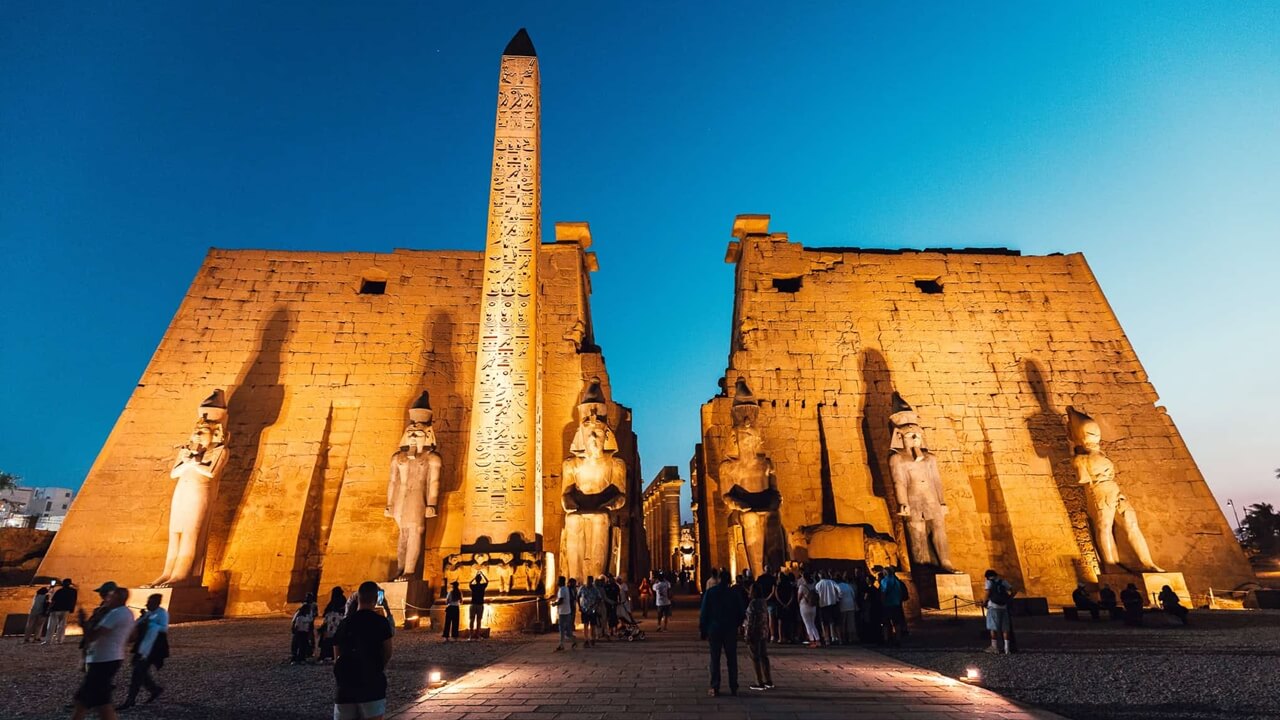
In the heart of the ancient city of Thebes, stretching along the banks of the Nile, Luxor Temple is one of Egypt’s most magnificent monuments. Built in the 14th century BC and dedicated to the chief god Amun Ra, his wife Mut, and their son Khonsu, entry to the temple begins with an avenue of sphinxes adorned with colossal statues that immediately captivates you. When you step inside, giant columns, wall reliefs worked with extraordinary detail, and statues of pharaohs greet you. One of the most impressive parts is the sacred area where even Alexander the Great had himself depicted as a pharaoh. When illuminated at night, the lights falling on its golden stones lend the temple a truly magical atmosphere. Luxor Temple is a unique stop to feel the power of Egyptian civilization and the refinement of its art.
3. Stonehenge “The Mysterious Ring of Salisbury Plain”
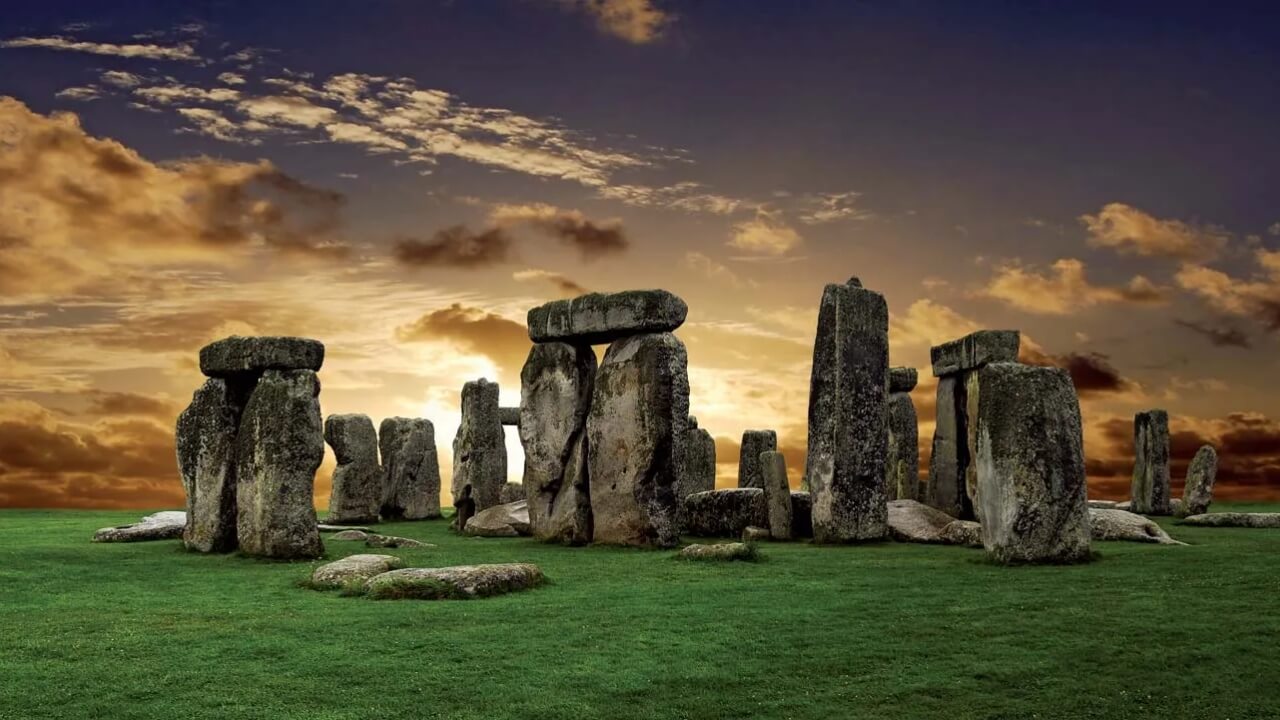
The massive stone circles rising on the vast plain west of London have fired human imagination for centuries. Begun around 3000 BC, the purpose of Stonehenge has still not been fully resolved. Some think it was a sun temple, some think it was a massive astronomical instrument used to observe celestial bodies, and some think it was a sacred burial ground for nobles. During the summer solstice, watching the sun rise over the Heel Stone is an unforgettable experience for thousands. The most fascinating aspect of this monument is that it leaves unanswered questions about how the people of that time brought these massive “bluestones” from hundreds of kilometers away and arranged them without technology. Stonehenge is a structure woven not only of stone but also of mystery.
4. Temple of Hatshepsut “The Immortal Legacy of the Woman Pharaoh”
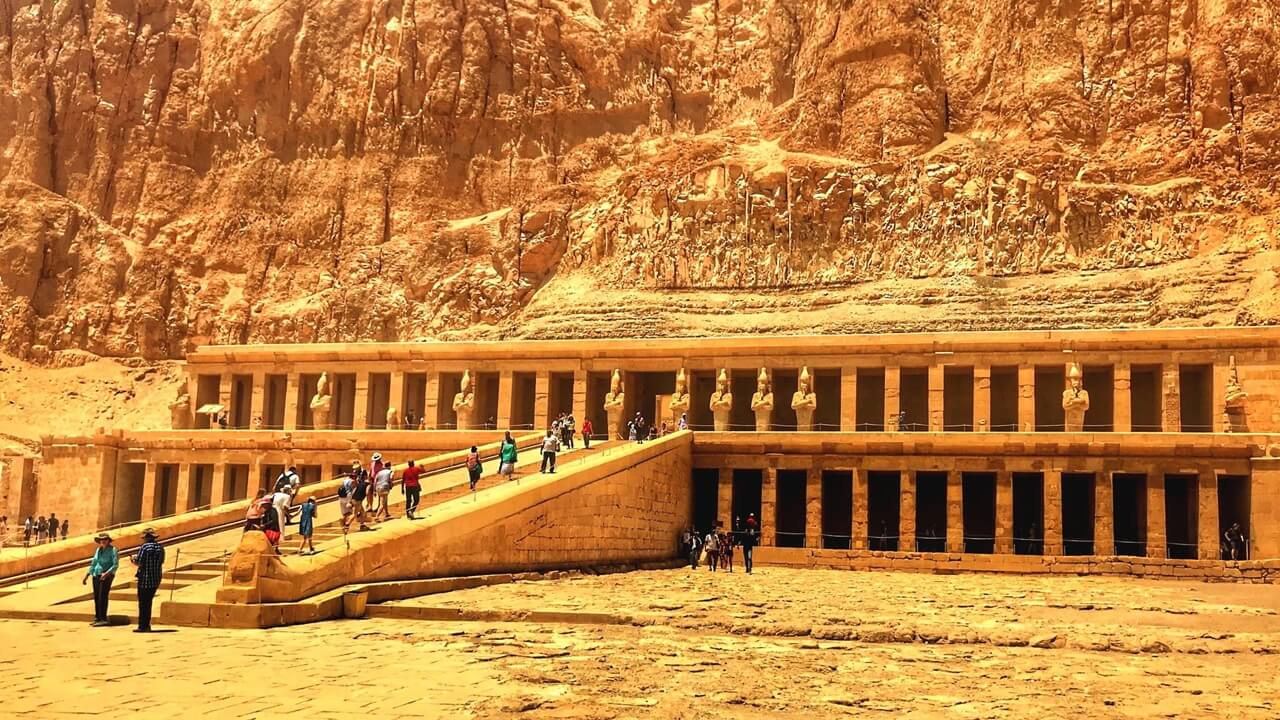
Carved into the steep cliffs at Deir el Bahari, this magnificent temple was built for Hatshepsut, Egypt’s first and only woman pharaoh. Different from the traditional pyramid form, with its colonnaded terraces reminiscent of modern architecture, it stands apart from other Egyptian structures. To legitimize her rule, Hatshepsut even used masculine imagery in art, and she is depicted with a beard in her statues. Dedicated to Osiris, the god of life and death, the ramps that climb the terraces take the visitor on a journey as if toward heaven. Looking out over the Nile Valley from the terraces is a perfect way to understand the pharaoh’s power and vision. This temple is not only a religious structure, it is also a powerful expression of a woman seizing the throne in a male dominated world.
5. Hypogeum “Malta’s Silent Underground Sanctuary”
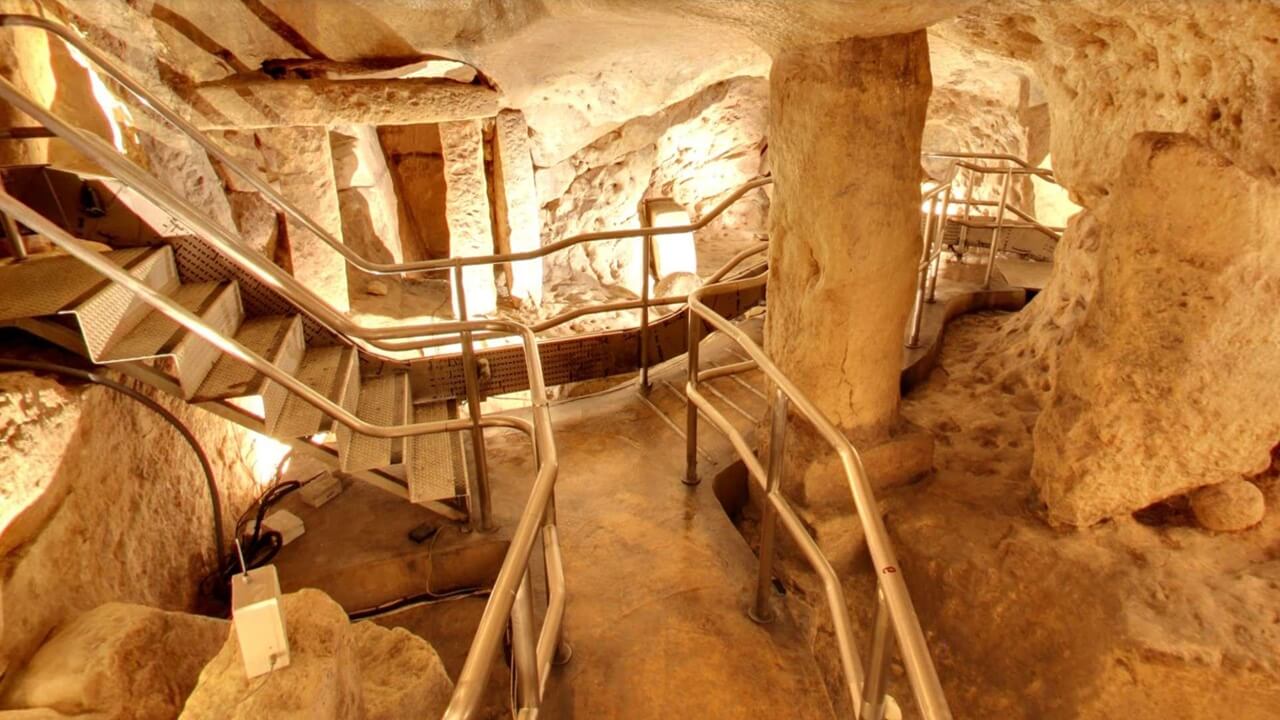
The word Hypogeum means “underground” and it more than earns this name. Built between 3300 and 3000 BC entirely by carving the rock, it is the only known underground temple in the world. Consisting of three levels, this labyrinthine structure served both as a temple and as a necropolis. The “Oracle Room” inside is particularly impressive, because when you speak into a small niche there, the sound fills the entire room with a resonant echo that shakes it. This was likely a mystical effect used in rituals. Because the number of visitors is limited, it is essential to make a reservation before going to the Hypogeum. This place offers an unforgettable experience that amazes you with prehistoric people’s engineering skill and spiritual depth.
6. Temple of Seti I “The Sacred Treasure of Abydos”
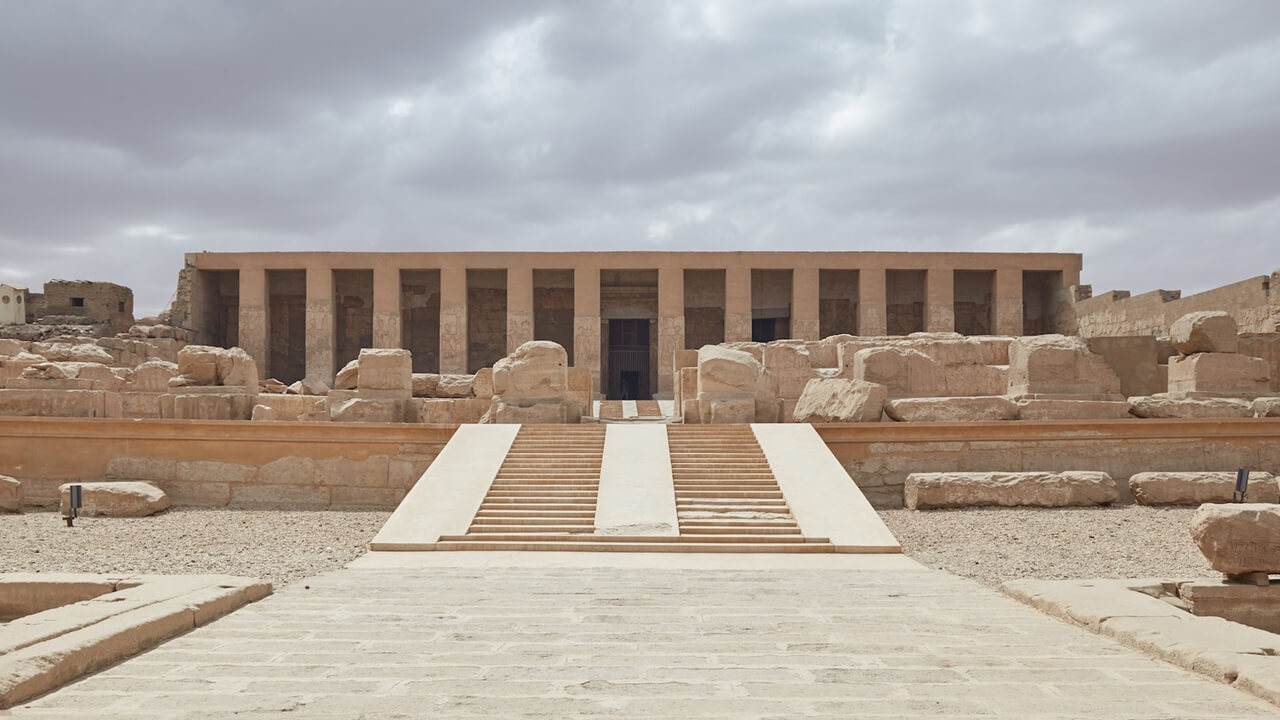
The ancient city of Abydos on the west bank of the Nile was one of Egypt’s most important religious centers because it was believed that the head of the god Osiris was buried there. King Seti I had a magnificent temple built on this sacred land. The most important feature of the temple is the “Abydos King List” inside. On this wall relief, the names of dozens of pharaohs who came before Seti I are listed. What is interesting, however, is that controversial or unwanted pharaohs, for example Akhenaten and the woman pharaoh Hatshepsut, were deliberately removed from this list. The temple is also famous for its extraordinarily beautiful reliefs that still preserve their vivid colors. The Temple of Seti I is an indispensable stop for those who want to see one of the rarest examples of Egyptian historiography and sacred art.
7. Hagar Qim and Mnajdra “Stone Age Temples Facing the Sea of Malta”
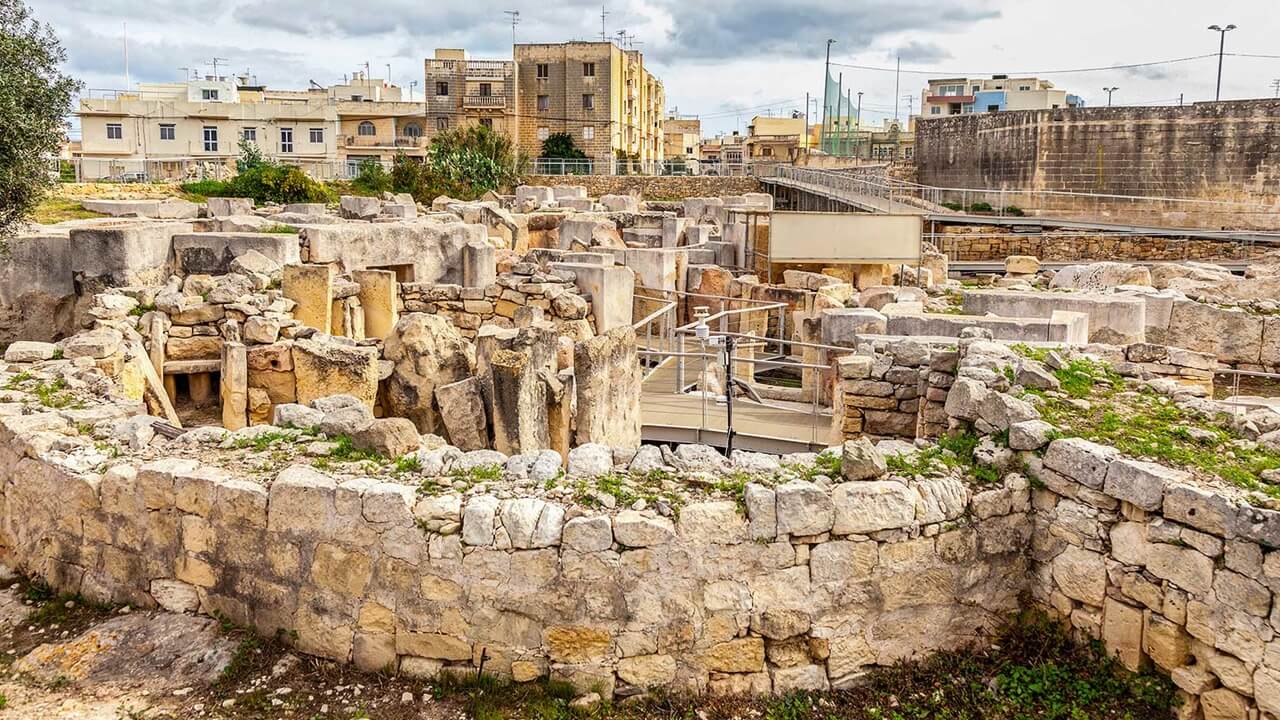
On Malta’s southern coast, perched on a cliff overlooking the stunning blue of the Mediterranean, these two temples are masterpieces of prehistoric architecture. Dating to 3600 3200 BC, they were built using massive limestone blocks. While Hagar Qim, meaning Standing Stones, stands out with its large stones, the Mnajdra temple a little further down has a more complex plan. The most surprising feature of Mnajdra is that it was built so that sunlight would penetrate the interior at specific angles on the equinoxes and solstices. This tells us a great deal about the astronomical knowledge of people who lived thousands of years ago. Walking through these temples means feeling the faith of Stone Age people and their deep bond with the sky.
8. Knossos Palace “The Mysterious Labyrinth of the Minoan Civilization”
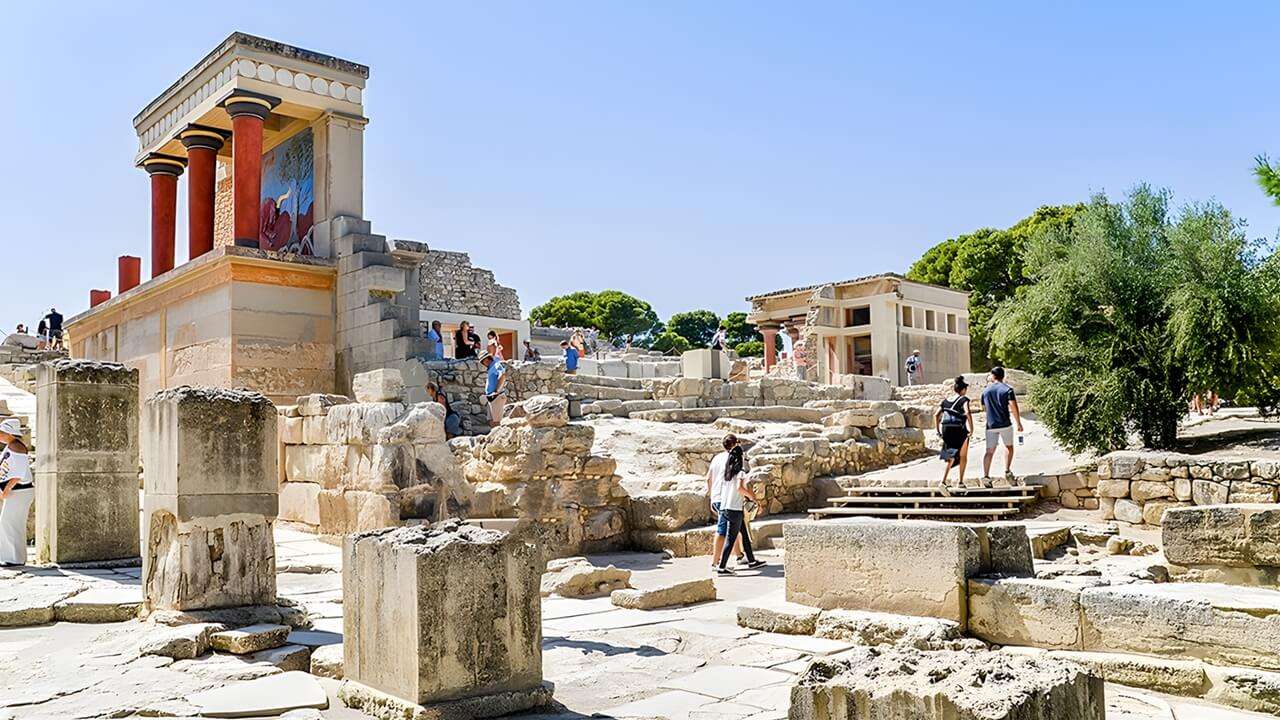
Located on the island of Crete, Knossos is considered Europe’s oldest city and the palace of the legendary King Minos. Built in the 2000s BC, this massive palace complex is famous for its labyrinth like corridors, storerooms, ceremonial areas, and vivid wall frescoes, for example the “Bull Leapers” fresco. This is also known as the very labyrinth where the half human half bull monster, the Minotaur of Greek mythology, lived. It was brought to light by the excavations of the English archaeologist Sir Arthur Evans in the early 20th century and by his controversial reconstruction works. Touring Knossos means gaining insight into the daily life, religious beliefs, and commercial power of the sophisticated Minoans. It is unquestionably the heart of any trip to Crete.
9. Ggantija Temples “The Legendary Structure Built by Giants”
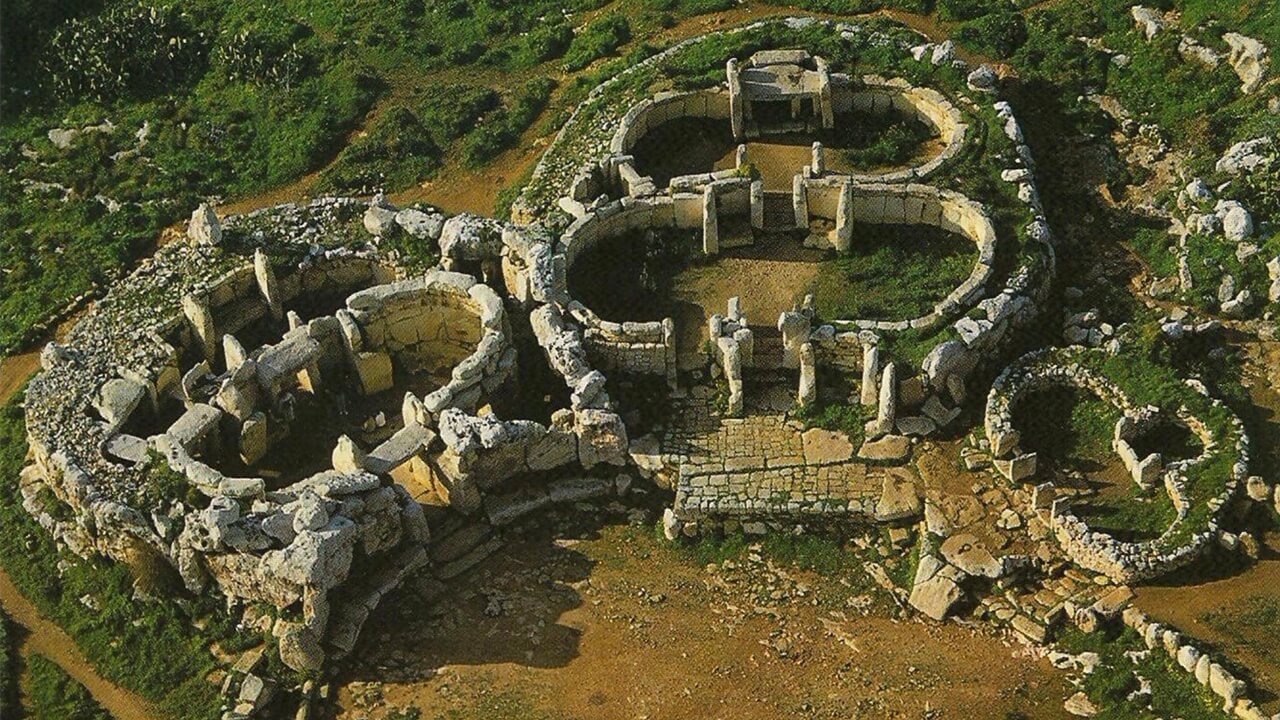
Located on the island of Gozo in Malta, the Ggantija Temples are grand enough to deserve their name, which means “giant.” Dating to about 3600 BC, this structure is among the oldest freestanding religious buildings in the world after Göbeklitepe. According to legend, a giant built these temples carrying massive stones on her back and worshiped the goddess in the temple. In reality, they rose through the extraordinary effort of local people. Built with stones up to five meters high, the temple consists of two interconnected structures. Like other temples in Malta, Ggantija was probably connected with a fertility cult. Many figurines and statues found here support this belief. In the tranquil atmosphere of Gozo, visiting this ancient structure is like traveling through time.
10. Amada Temple “The Oldest Egyptian Temple of Nubia”
Located in the Nubia region in the south of Egypt, the Amada Temple has the distinction of being the oldest Nubian temple in Egypt. Built in the 15th century BC by Pharaoh Thutmose III and dedicated to the gods Amun and Ra Horakhty, the most striking aspect of the temple is that, despite having been moved from its original location, it still has very well preserved, vivid, and detailed painted reliefs. In these wall paintings, the pharaohs’ relationships with the gods and their military achievements are depicted. During the construction of the Aswan High Dam, the Amada Temple faced the danger of being submerged and in the 1960s it was moved to its current higher location through an international effort. This story alone is proof of how valuable a cultural treasure it is.
11. Giza Pyramids and the Sphinx “Immortal Icons of the Pharaohs”
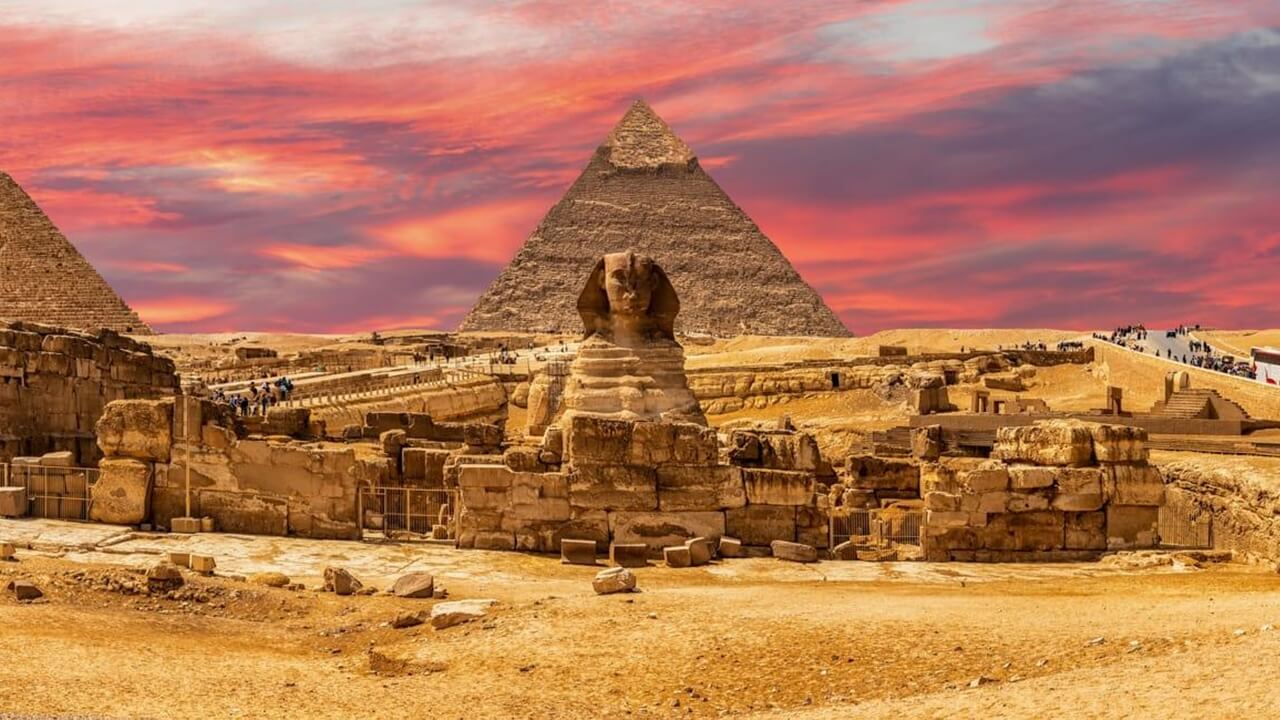
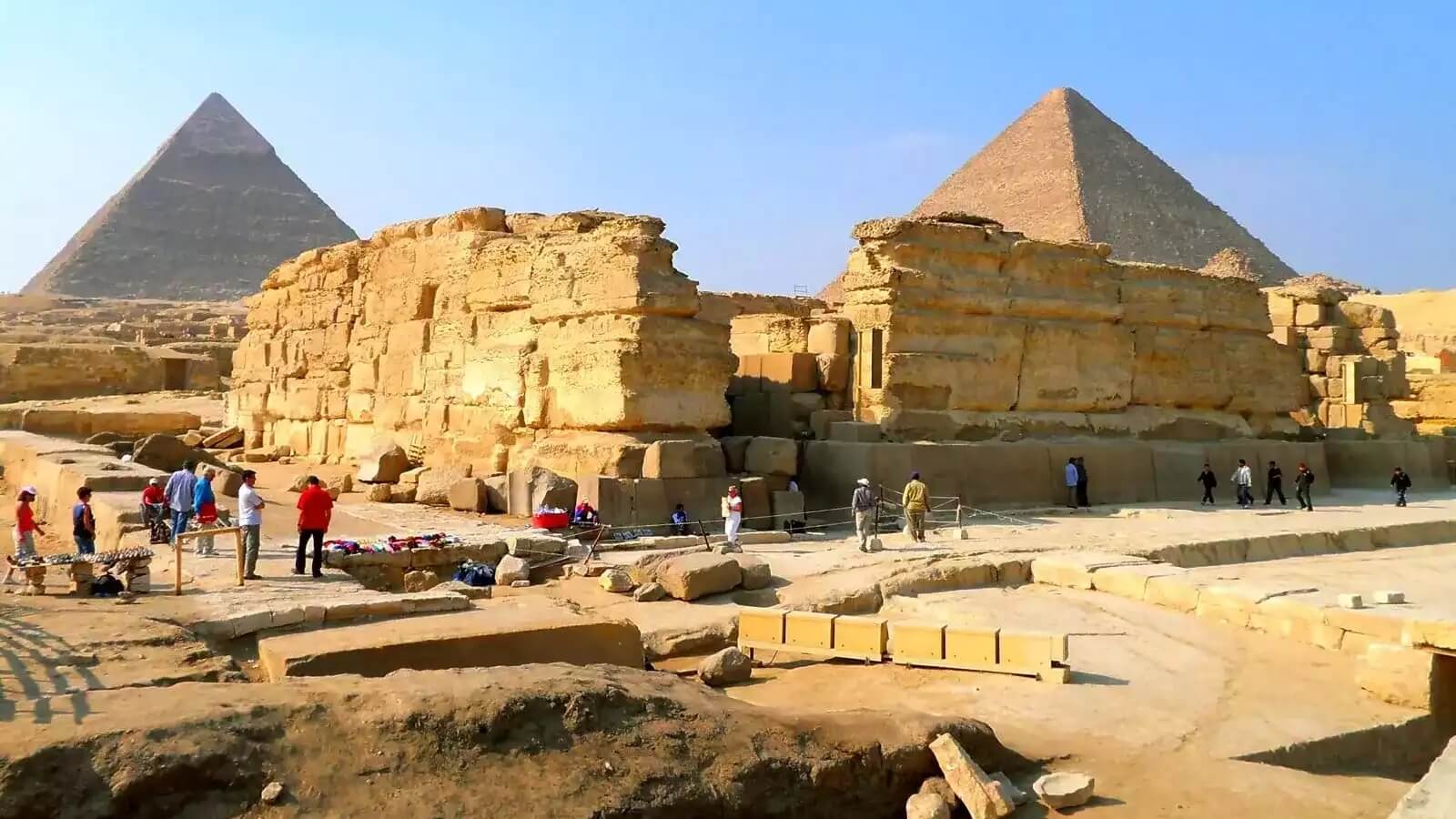
Although they are not called “temples” on our list, considering their religious and ritual functions it would be unthinkable to leave these ancient tombs out. The pyramids of Khufu, Khafre, and Menkaure are colossal monuments built in the 2500s BC to prepare the pharaohs for eternal life. The mysterious Sphinx next to them watches over the complex. Each is a marvel of engineering and there is still debate about how they were built. Going to the Giza Plateau and watching the silhouettes of these monuments at sunset is one of the most impressive travel experiences in the world.
12. Parthenon “The Symbol of Athens’ Golden Age”
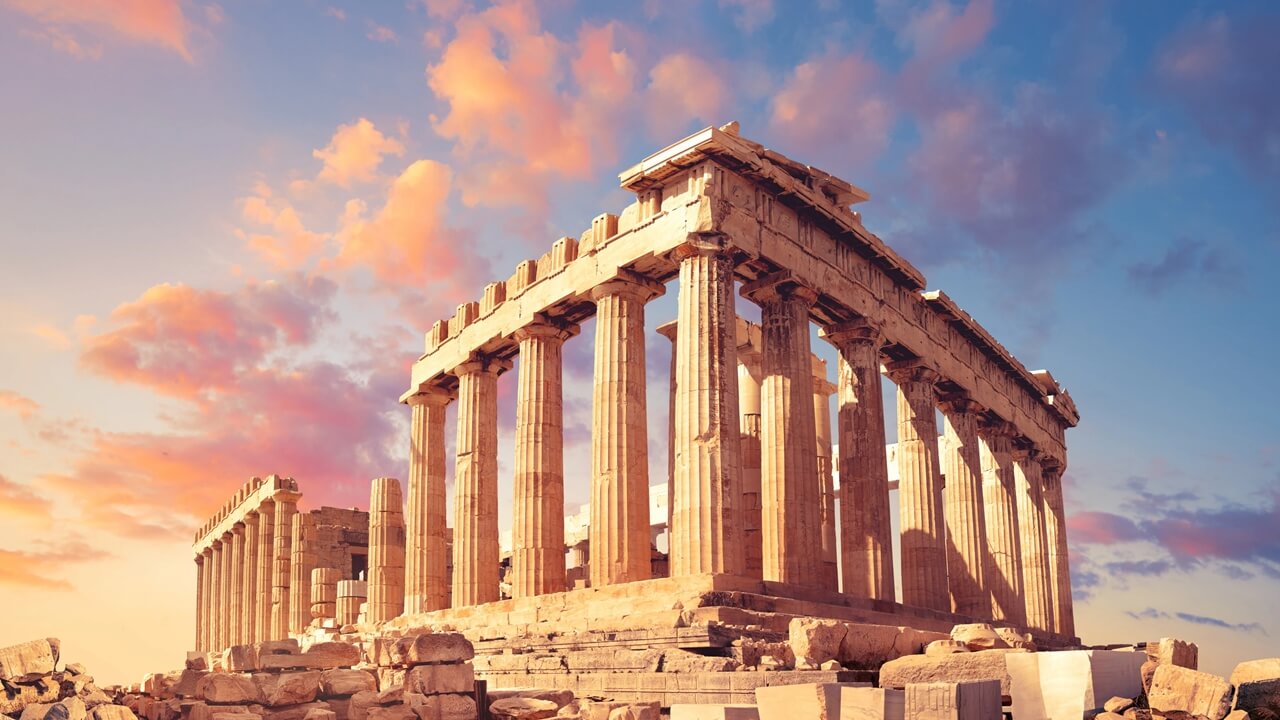
Rising on top of the Acropolis, the Parthenon is the most magnificent monument of Ancient Greece and the golden age of democracy. Built in the 5th century BC and dedicated to the goddess Athena, it is a temple whose architecture aims at perfection, with fine adjustments made to correct optical illusions. Once inside stood a colossal statue of Athena made of gold and ivory. Used for centuries as a church, a mosque, and an arsenal, the Parthenon suffered severe damage during a war in 1687. Even so, it has lost none of its splendor and continues to be the greatest source of inspiration for Western civilization and classical architecture.
13. Angkor Wat “The Imperial Temple Hidden in the Forests”
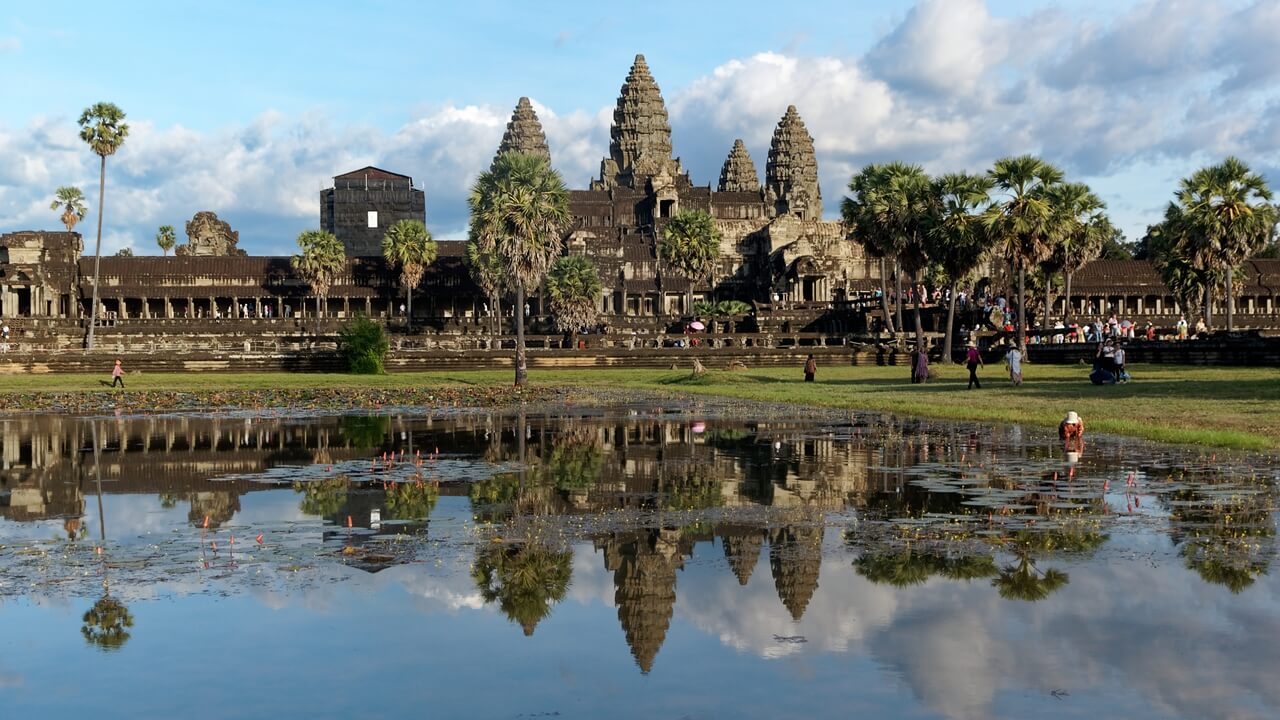
Angkor Wat, the world’s largest religious monument, is actually a temple within a city, Angkor. Built in the 12th century by the Khmer Empire, it was first dedicated to Vishnu and later converted into a Buddhist temple. At the heart of its architecture are five towers that represent the mythical Mount Meru at the center of the world. Every square inch of the temple is carved with scenes from Hindu mythology. At sunrise, its reflection in the moat in front is breathtaking. Exploring Angkor Wat, going to the Bayon Temple adorned with massive stone faces, and seeing the Ta Prohm temple woven into nature offers some of Asia’s most unforgettable travel experiences.
14. Pantheon “The Triumph of Roman Engineering”
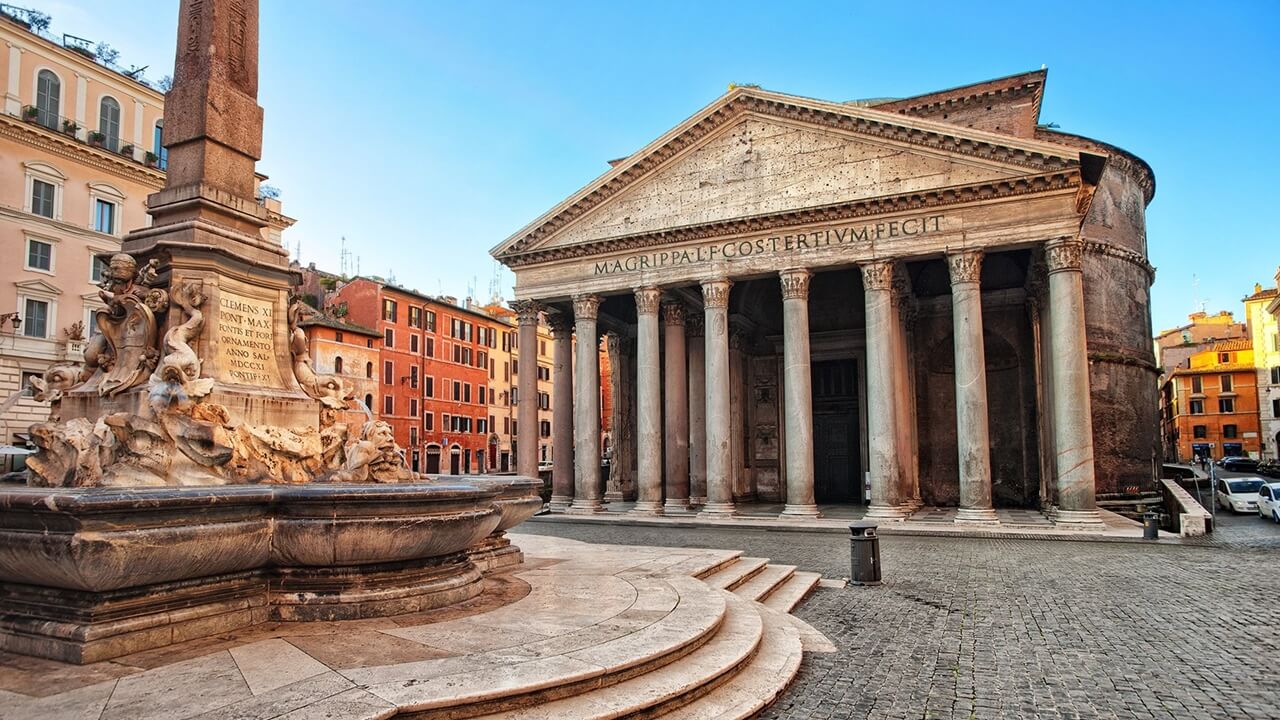
Meaning “temple of all gods,” the Pantheon is one of the best preserved ancient structures in Rome. Built between AD 118 and 128 by Emperor Hadrian, its most striking feature is its massive dome, whose construction is not fully understood even today. The hole in the very center of the dome, called the oculus, is the temple’s only source of light and is both an engineering and a symbolic marvel. Inside lies the tomb of the famous painter Raphael. The Pantheon is one of the first places to see in Rome to feel the power of ancient Rome and its architectural genius.
15. Tikal National Park “The Maya Metropolis in the Heart of the Jungle”
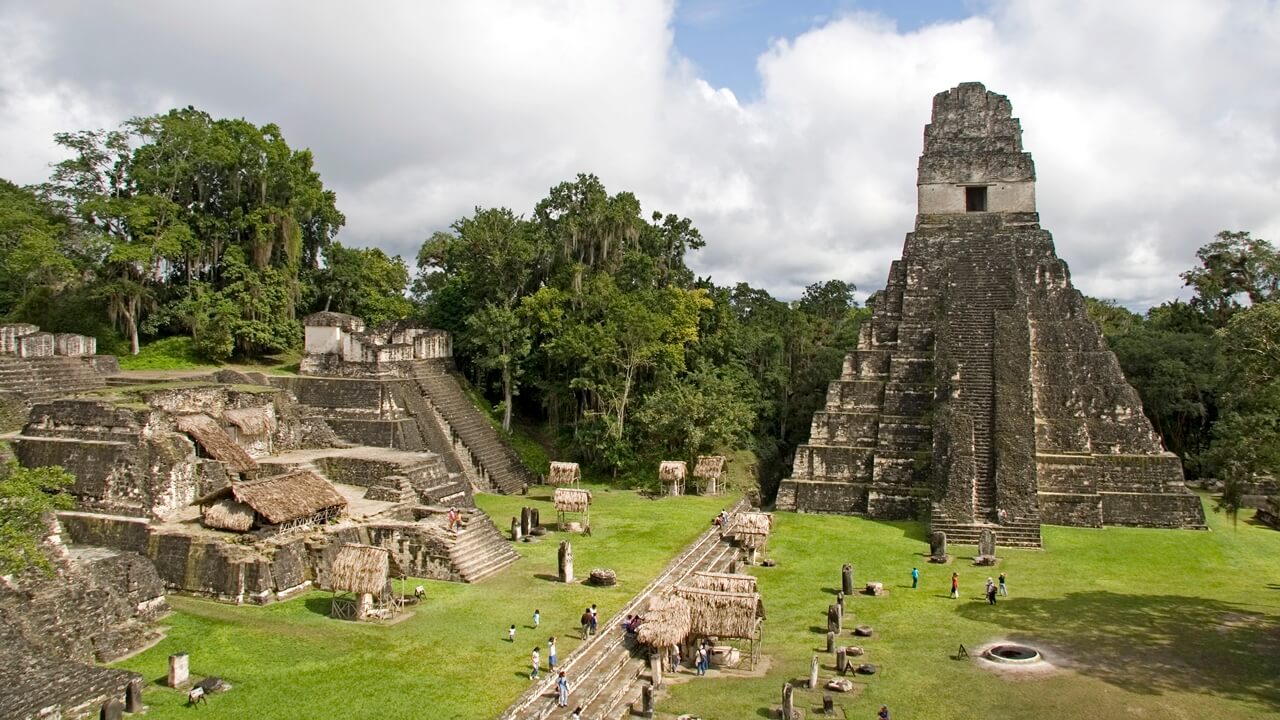
Hidden deep in Guatemala’s rainforests, Tikal is one of the largest and most impressive cities of the Maya civilization. The city, which existed from the 4th century BC to the 10th century AD, contains temples, palaces, and plazas. Its most iconic structures are the colossal temple pyramids rising above the forest canopy, especially Temple I and Temple II. In the early morning, climbing to the tops of these temples as they rise among the mists and listening to the sounds of the forest awakening below gives one of the most magical moments in the world. Tikal is not just a temple, it is a vast open air museum that makes you feel the power and mystery of a lost civilization.
Final Word: Humanity Etched in Stone
These ancient temples are not merely tourist checklist items, they are tangible expressions of the human spirit. Each of them rose in different geographies with different beliefs, but with the same basic drive to believe, to make meaning, and to build something. This journey from the mysterious pillars of Göbeklitepe to the pyramids of Tikal hidden in the forest shows us once again that our shared human story is much deeper and extends much further back than assumed. When you have the chance to see these temples, you do not only see a structure, you feel a message coming from thousands of years ago. That message is hidden in the silent language of stones that defy time and in every detail of masterfully carved reliefs. This unique heritage is a reminder of the respect we feel for our past and our responsibility to protect it. As you plan your travels, use this list as a guide and be ready to write your own story in the world’s oldest temples. Because real discovery is not only seeing new places, it is finding new meanings about the world and about ourselves.

About Lucas Miller
Lucas Miller’s articles are now on Tusigo! Discover fresh travel insights, get inspired with new ideas and create your perfect holiday route today.
View all posts by Lucas Miller
Central Europe Holiday Packages
Discover Central Europe with holiday packages that link charming cities, fairytale towns and scenic routes by land.

 Turkish (TR)